
Who should buy organic
Buy organic when the certification means something to the person opening the box. Usually that means they already fill their trolley that way, or they follow wellness brands with a sourcing story attached.
If the recipient only cares about taste and brand prestige, a non-organic Fortnum or Twinings box may still be the better gift. Organic is a filter, not a quality score by itself.
Ask what “organic” is doing in the decision. Sometimes it is a real values match. Sometimes it is a shortcut for “this feels healthier than chocolate. ” Both are fine.
Just do not pay mid-range money for a label you will not notice.
Best organic and certification-forward picks
Ranked for organic shoppers in our catalog, not for pure luxury packaging.

For someone who drinks organic
Pukka
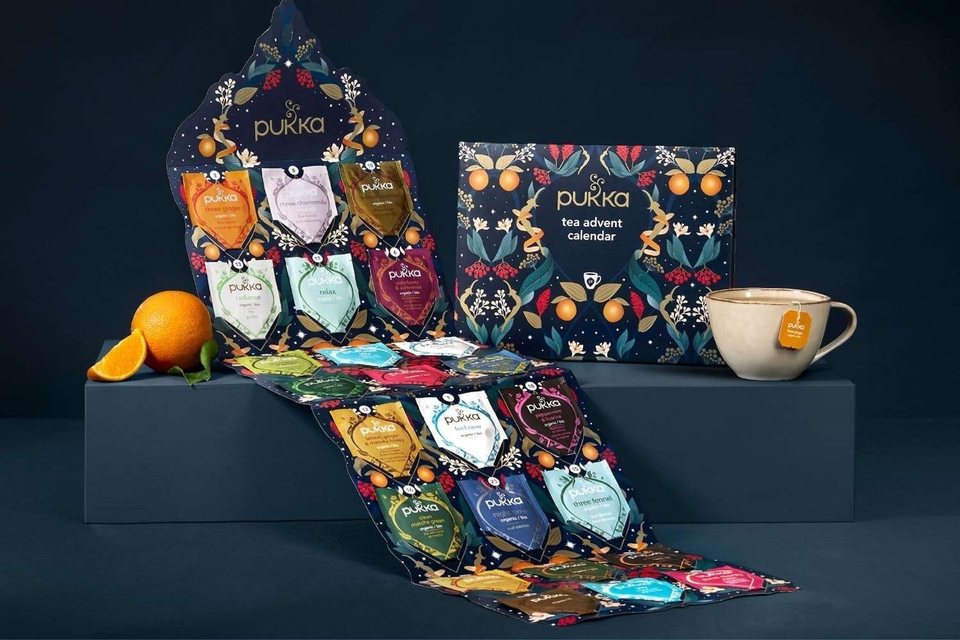
Pukka Organic Tea Advent Calendar
Pukka: certified organic, listed as Black & Herbal, and polished enough to be the main present.

For an organic drinker who likes a pretty box
English Tea Shop
English Tea Shop Organic Advent Calendar
English Tea Shop: organic pyramids, B Corp story, book-style keepsake under $30.

For a Secret Santa who drinks organic
Yogi Tea
Yogi Tea Organic Christmas Advent Calendar
Yogi: the cheapest box we track, organic, and gentle enough for evenings.
For a Kusmi fan who drinks organic
Kusmi Tea
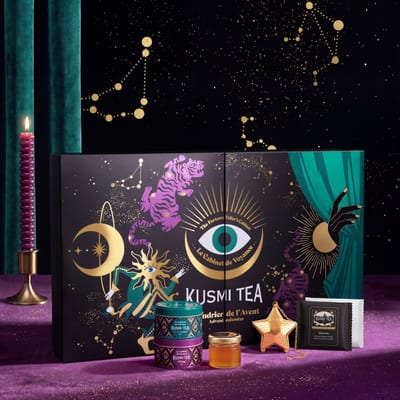
Kusmi Tea Organic Advent Calendar
Kusmi: organic with real design presence, for someone who wants the ethics and the looks.
For someone who likes design
Paper & Tea
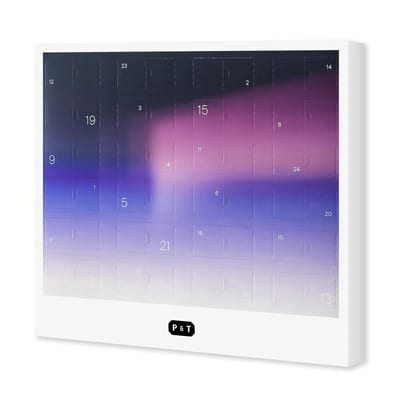
Paper & Tea Advent Calendar
Paper & Tea: 24 organic loose-leaf teas in wrapped sachets, three exclusive winter teas and Berlin design.
How to read organic claims
Look for the certification mark on this season's box, not just the marketing copy on a product page. EU organic, USDA organic and Soil Association marks say far more than a vague “natural”.
Whole-leaf temples and herbal sachets can be organic, and so can loose leaf calendars, though prestige loose-leaf sets tend to sell on other things.
If what really matters under the word “organic” is packaging waste, read the plastic-free claims separately. Bird & Blend and teapigs often win that argument, even when the brief started as “organic. ”
- Check the year: blend lists change every season.
- Organic does not mean caffeine-free.
- Budget organic (Yogi, English Tea Shop) can matter more to the right person than a luxury box without the mark.
- If packaging waste matters as much as farming, also read plastic-free claims (Bird & Blend, teapigs).
When to skip the organic filter
Skip it when the giftee is a black-tea traditionalist who judges the cup and never reads the logo.
It is also the wrong pick when the only organic boxes left in stock are styles they hate, or when a non-organic calendar is dramatically better on format, day count, or sharing.
Values and taste can both be true priorities. If they collide, choose the priority the recipient actually lives by in January, not the one that looks better on a gift receipt.
Organic buying checklist
- Confirm the calendar is sold as organic for the current year.
- Check whether the mix is herbal-only or includes caffeinated teas.
- Decide between budget (Yogi, English Tea Shop) and design (Pukka, Kusmi, Paper & Tea).
- Compare with plastic-free brands if packaging is the real priority.
- Read the full review before gifting at mid-range prices.
Common questions
What is the best organic tea advent calendar?
Pukka, if the drinker likes herbs. English Tea Shop is the budget organic option, in a book-style box. Kusmi costs more and looks it.
Are all teas in an organic calendar certified organic?
Usually, yes: brands market a calendar as organic when the whole blend set is certified. Still check this year's label and ingredient list, because seasonal editions can change.
Is an organic tea advent calendar better tasting?
Not automatically. Organic is a farming and certification choice. Taste still depends on blend style, freshness, and whether you prefer herbal, black, or green teas.
Is organic the same as caffeine-free?
No. Plenty of organic black and green teas are fully caffeinated. If evenings matter, check the blend list separately from the organic mark.
Keep comparing
This guide is a shortlist. Open the full catalog or the comparison table when you are ready to weigh day counts and prices side by side.
Editorial guide for 2026. Ratings and prices can change with seasonal stock. Affiliate disclosure. Methodology.